2026 Top Trends in Air Freight Logistics You Need to Know?
The world of air freight logistics is evolving rapidly. As we approach 2026, new trends are shaping the industry. Understanding these trends is crucial for businesses relying on air transportation.
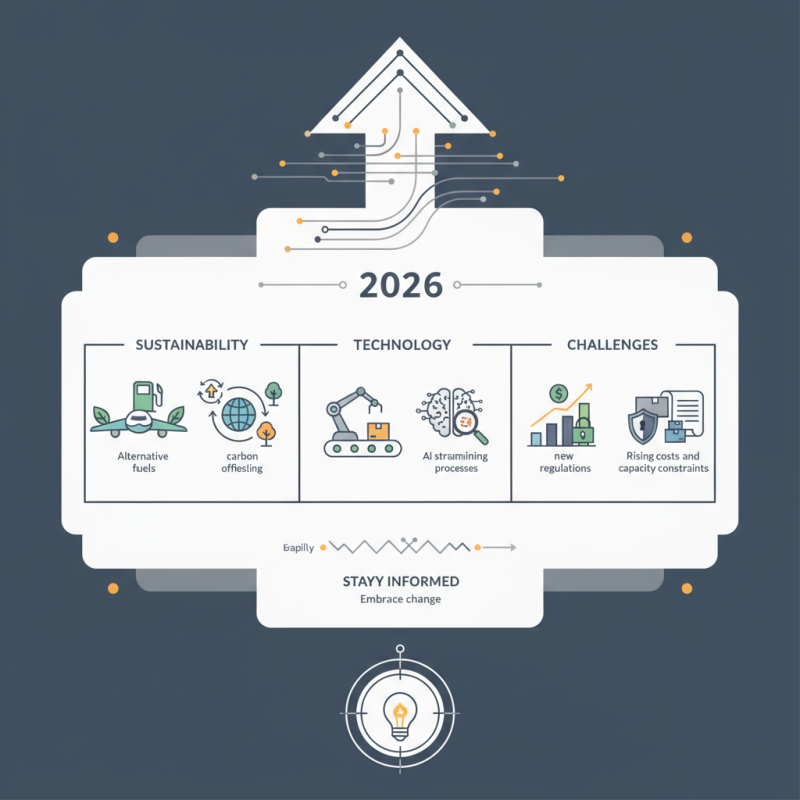
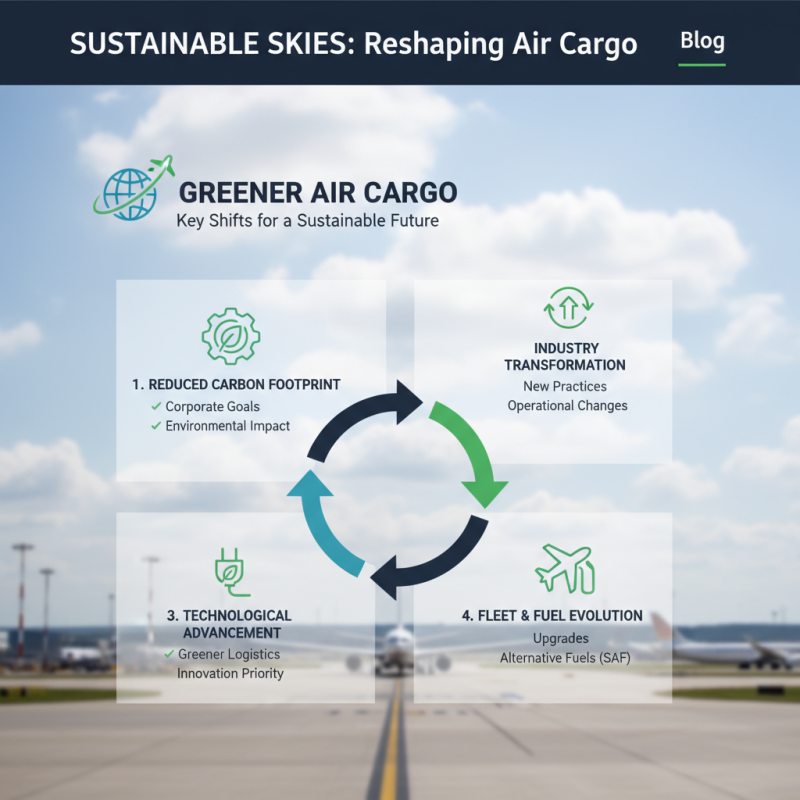
Sustainability is increasingly at the forefront. Companies are pursuing eco-friendly practices. This includes alternative fuels and carbon offsetting strategies. Moreover, technology plays a pivotal role in enhancing efficiency. Automation and AI are streamlining processes, reducing delays.
However, challenges remain. Rising costs and capacity constraints impact service quality. Adapting to new regulations can be daunting. Despite these hurdles, staying informed is essential. Embracing change in air freight logistics can lead to growth and innovation.
Key Innovations in Air Freight Technology for 2026
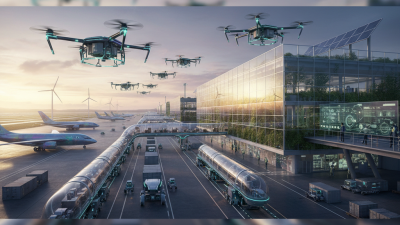
In 2026, air freight logistics will see significant technological advancements. Drones will become a common solution for last-mile delivery. Reports predict that drone use could reduce delivery times by up to 30%. These unmanned vehicles offer speed but come with regulatory challenges. Organizations need to navigate airspace regulations to maximize their effectiveness.
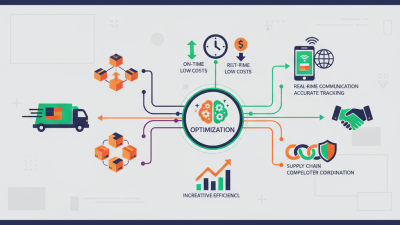
Another innovation is the rise of artificial intelligence in logistics. AI can optimize routes and enhance demand forecasting. A study shows that AI might improve operational efficiency by over 20%. However, adopting this technology requires a skilled workforce. Many companies still struggle with this transition. Lack of training can lead to underutilization of AI capabilities.
Blockchain technology is also on the rise. It offers increased transparency for tracking shipments. Reports suggest that blockchain could decrease losses and fraud by 50%. Yet, integration into existing systems remains a hurdle for many companies. Organizations must invest in technology and training to fully benefit from this innovation.
2026 Top Trends in Air Freight Logistics You Need to Know
This bar chart illustrates the projected growth in various trends within air freight logistics by 2026. The trends highlighted include efficiency optimization, environmental sustainability, digital transformation, and cost reduction.
Regulatory Changes Shaping the Future of Air Cargo
Regulatory changes are reshaping air cargo logistics. Countries are now re-evaluating their policies. These changes can impact everything from customs processes to safety standards. For instance, stricter security measures have become a common theme. Such regulations require air freight companies to adapt swiftly to remain compliant.
In addition, environmental regulations are gaining traction. Governments are pushing for greener practices. This has prompted many logistics firms to invest in sustainable technologies. However, the transition isn’t always smooth. Some companies struggle to meet new emission targets while balancing costs.
Market accessibility is also evolving. Emerging markets are facing regulatory hurdles that differ widely from established players. This creates disparities and opportunities. Companies must navigate these complexities to effectively serve various regions. The air freight industry’s future will depend on how well it can adapt to these ongoing regulatory shifts.
Emerging Markets and Their Influence on Global Air Freight Dynamics
Emerging markets are reshaping global air freight dynamics in 2026. These regions are experiencing rapid growth, driven by expanding economies and increasing consumer demand. Countries in Asia, Africa, and Latin America are developing their logistics capabilities. This growth presents both opportunities and challenges for established players in the air freight industry.
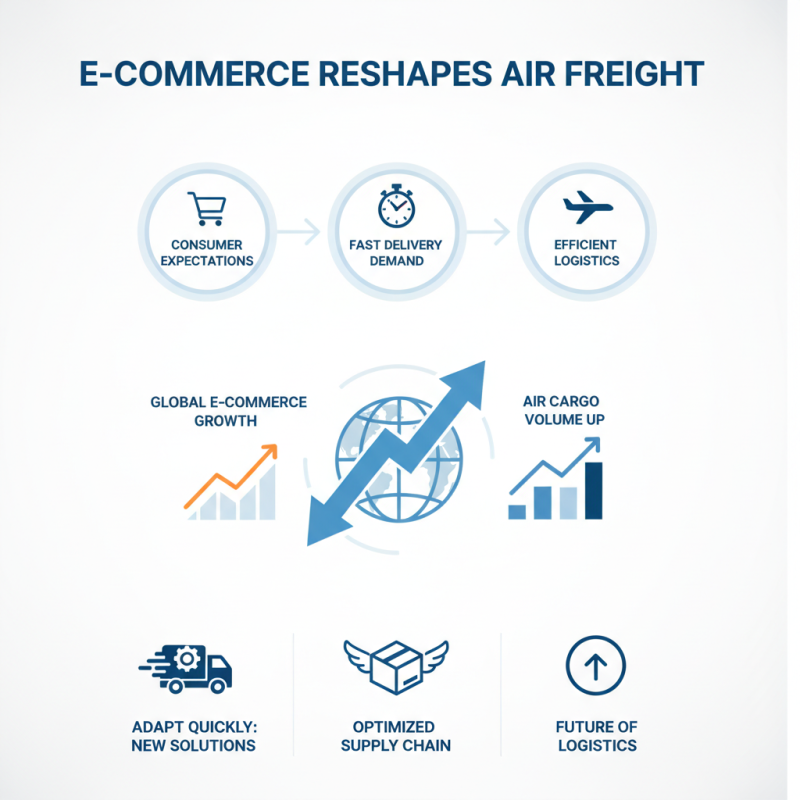
As these markets evolve, air freight firms must adapt to fluctuating trade patterns. The increase in e-commerce has raised the demand for speedy deliveries. However, not all airports in emerging markets are equipped for this surge. Infrastructure gaps can hinder efficiency and increase costs. Companies need to think critically about how to bridge these gaps. Innovations in technology and partnerships with local businesses may provide viable solutions.
Environmental concerns are also becoming more prominent. The rise in air cargo operations has implications for sustainability. Companies face pressure to adopt greener practices. This is often easier said than done. Balancing growth with environmental responsibility will require careful planning and collaboration. The dynamics of air freight logistics are shifting, and adapting to these changes is essential.
2026 Top Trends in Air Freight Logistics You Need to Know
| Trend |
Description |
Impact on Air Freight |
Emerging Markets |
| Increased E-commerce Demand |
Growth of online shopping leading to higher cargo volumes. |
Higher shipment frequency and speed requirements. |
Asia-Pacific |
| Sustainability Initiatives |
Implementation of greener practices and technologies. |
Reduced carbon footprint and improved efficiency. |
Latin America |
| Advanced Technology Adoption |
Use of AI and IoT for logistics optimization. |
Enhanced tracking and efficiency in operations. |
Africa |
| Regulatory Changes |
Evolving international trade regulations impacting logistics. |
Increased compliance costs and operational adjustments. |
Eastern Europe |
| Demand for Faster Shipping |
Customers expecting shorter delivery times. |
Shift towards express services and higher costs. |
Middle East |