Top 10 Global Logistics Trends Transforming the Shipping Industry?
In recent years, the global logistics landscape has undergone rapid transformation. New technologies and practices are reshaping the shipping industry. These changes are driven by the need for efficiency, sustainability, and adaptability. Companies face increasing pressure to meet customer demands swiftly.
As businesses navigate through these turbulent waters, understanding the top trends is crucial. From artificial intelligence to blockchain, innovations are becoming vital tools. However, the integration of these technologies is not without challenges. The industry must reflect on how to harness these advancements effectively.
Adopting a global logistics mindset is essential nowadays. It invites collaboration across borders and addresses complex supply chain issues. Amidst this evolution, the importance of transparency cannot be overstated. Companies are learning the hard way that trust is fundamental in logistics. Therefore, embracing change while reflecting on ethical practices is necessary for sustained growth.

Emergence of Technology-Driven Logistics Solutions
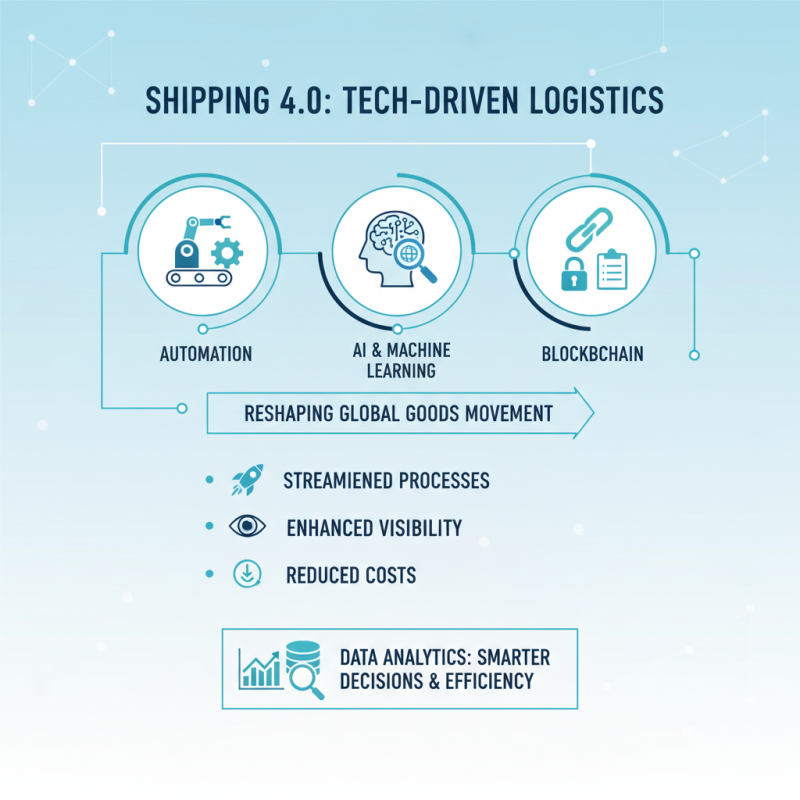
In today's shipping industry, technology-driven logistics solutions are reshaping how goods move globally. Automation, AI, and blockchain are leading this transformation. These innovations streamline processes, enhance visibility, and reduce costs. Logistics firms are leveraging data analytics for better decision-making and efficiency.
Tips: Embrace automation in daily operations. It can save time and minimize errors. Explore AI tools to predict trends and improve inventory management.
New technologies do not come without challenges. Implementation often requires significant investment. Some companies struggle to adapt to rapid changes. Training employees is crucial but can be overlooked. Proper integration remains a hurdle for many logistics providers.
Tips: Ensure team training is a priority. Invest in workforce skills to harness new solutions effectively. Analyze data regularly to refine strategies and recognize gaps.
Sustainability and Green Practices in Shipping
Shipping is undergoing a significant transformation toward sustainability. Many companies are now prioritizing green practices. Reducing carbon emissions is a critical goal. This involves using cleaner fuels and optimizing shipping routes. Some vessels are even using wind technology. These changes are vital for minimizing the shipping industry's carbon footprint.
However, achieving true sustainability is challenging. Industry players often struggle with cost versus environmental benefits. Some may overlook the importance of biodegradable packaging. The transition to greener alternatives can be slow and filled with hurdles. Stakeholders must engage in further research to find effective solutions. Not every solution is cost-effective immediately.
Patience and persistence are essential in this journey.
Investing in green technology is necessary yet should be carefully evaluated. The initial costs might deter some businesses. Yet, the long-term savings can be substantial. Transparency and accountability in these practices are crucial. The industry should not shy away from admitting shortcomings. Acknowledging challenges leads to more innovative solutions in shipping sustainability.
Impact of E-commerce on Global Supply Chains
The rise of e-commerce has reshaped global supply chains in profound ways. In 2021, e-commerce sales were over $4.9 trillion, accounting for 19% of total retail sales worldwide. This shift demands faster delivery and efficient logistics. Companies are now facing pressure to shorten the delivery window. Customers want their orders swiftly. The average consumer now expects delivery within one to two days.
Warehouses play a crucial role in this new landscape. Many companies are investing in automated systems to optimize operations. A report from McKinsey shows that automation can increase productivity by 30% in logistics. However, the rapid shift to e-commerce has also created challenges. Supply chain disruptions during the pandemic exposed vulnerabilities. Inventory management has become more complex. The unpredictability of demand makes it harder to forecast needs accurately.
Sustainability is another growing concern. E-commerce often contributes to increased packaging waste. Research indicates that around 30% of consumers are willing to pay more for sustainable options. Brands need to rethink their logistics strategies. Investing in eco-friendly practices is important, but implementation can be slow. Balancing speed, cost, and sustainability remains a tricky puzzle for many in the shipping industry.
Top 10 Global Logistics Trends Transforming the Shipping Industry
Adoption of Blockchain for Transparency and Security
The shipping industry is undergoing a significant transformation with the adoption of blockchain technology. This shift enhances transparency and security across supply chains. Blockchain enables real-time tracking of goods, ensuring that all stakeholders have access to the same information.
However, integrating blockchain comes with challenges. Many companies lack the technical expertise required to implement it. There may also be resistance to change from employees accustomed to traditional systems. Additionally, concerns arise about the scalability of blockchain solutions in the context of large global operations.
Despite these obstacles, the benefits are clear. Enhanced visibility fosters trust among partners. Reduced fraud and improved accountability can lead to greater efficiency. Companies must address these growing pains while exploring blockchain's full potential in logistics.