Top International Cargo Services That Ensure Safe and Timely Delivery?
In today's global economy, international cargo services play a vital role. Companies rely on these services to ensure that goods are transported safely and on time. According to a recent report by the International Air Transport Association (IATA), air cargo volumes increased by 7.5% in the last year, highlighting the growing demand for reliable logistics solutions.
Experts stress the importance of efficient logistics. Peter Jones, a renowned logistics analyst, states, "The efficiency of international cargo services can make or break a business." This underscores the significant impact that timely delivery has on customer satisfaction and overall business success.
However, challenges persist in the industry. Delays may arise due to port congestions or customs issues. Additionally, not all companies prioritize safety and compliance. Businesses must reflect on their choices and adapt to changing conditions. Robust processes and technology integration are crucial for improving service quality in the international cargo sector. Challenges remain, but so do opportunities for growth and improvement.

Overview of International Cargo Services
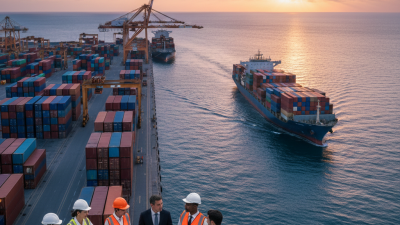
International cargo services play a crucial role in global trade. These services ensure that goods are transported safely across borders. They cover a wide range of products, from electronics to perishables. Each service has its own protocols and standards to follow. This variety creates a complex landscape for businesses.
One main aspect is packaging. It must be done properly to prevent damage. However, not all providers focus on this. Some goods arrive in poor condition. Additionally, tracking systems can be unreliable. Customers need consistent updates about their shipments. Communication gaps can lead to confusion.
Timely delivery is vital in international shipping. Delays can happen due to various factors, like customs regulations. Waiting times sometimes extend beyond expectations. Businesses must be prepared for unexpected hold-ups. All these elements require careful planning. Without a solid strategy, deliveries can become a headache. The process is one of constant learning and adaptation.
Top International Cargo Services: Delivery Performance Overview
Key Factors for Safe and Timely Delivery
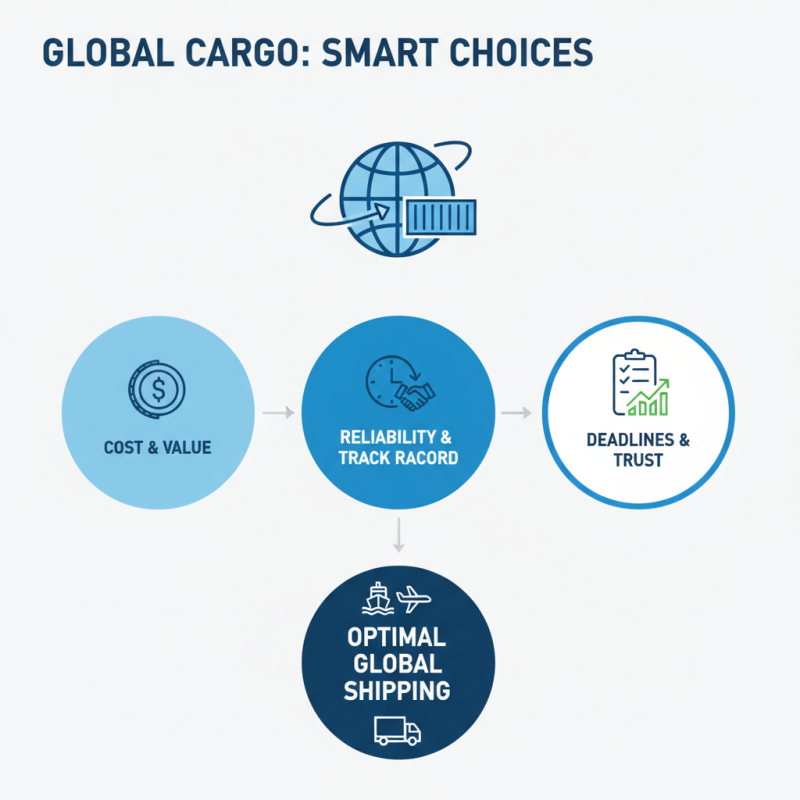
When choosing an international cargo service, safety and timeliness are paramount. According to industry reports, approximately 30% of cargo delays stem from poor documentation and inadequate communication. This highlights the need for clear and accurate information throughout the shipping process. Tracking systems can streamline communication, but many services still rely on traditional methods, which can lead to misunderstandings and errors.
Protection of goods is another crucial factor. A significant number of shipments are damaged during transit due to improper handling and packaging. Reports from logistics experts suggest that up to 40% of cargo claims are due to these issues. To mitigate these risks, companies must invest in robust packing materials and training for handlers. Yet, many organizations still overlook these investments, resulting in avoidable financial losses.
Timely delivery is influenced by efficient route management and carrier reliability. Data indicates that delays can impact customer satisfaction significantly, with 70% of clients likely to switch providers after a single late delivery. However, variable external factors, like customs clearance and weather conditions, remain outside the company's control. This uncertainty often leaves cargo services needing to improve their contingency planning and response strategies.
Top International Cargo Services That Ensure Safe and Timely Delivery
| Service Type |
Delivery Time (Days) |
Safety Rating |
Tracking Availability |
Insurance Options |
| Air Freight |
3-5 |
High |
Yes |
Available |
| Ocean Freight |
10-30 |
Medium |
Yes |
Available |
| Express Courier |
1-3 |
Very High |
Yes |
Premium |
| Rail Freight |
7-14 |
Medium |
Limited |
Available |
| Truck Freight |
5-10 |
Moderate |
Yes |
Limited |
Leading International Cargo Companies
When it comes to international cargo services, choosing a reliable company is essential. Leading companies in this sector focus on safe and timely delivery, ensuring peace of mind for their clients. They use advanced technology to track shipments in real-time. This visibility can help clients feel more connected to their cargo. However, tracking systems are not infallible. Delays can occur due to customs or unexpected weather events.
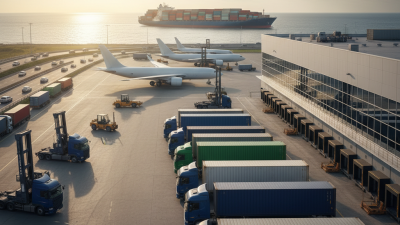
Moreover, these companies often offer various shipping options, from air freight to sea cargo. Air freight is quicker but may be more costly. Sea cargo is economical but can take longer. Clients must weigh these factors based on urgency and budget. In some cases, clients underestimate the time required for international shipping. The complexities of logistics may lead to disappointment if not addressed early on.
Additionally, communication is key in international shipping. Many companies provide dedicated agents to assist throughout the process. However, mixed information can sometimes arise. Clear communication improves the customer experience but isn't always perfect. Ultimately, clients should remain proactive in their shipping needs. This way, they can navigate the challenges of international logistics more effectively.
Innovative Technologies in Cargo Logistics
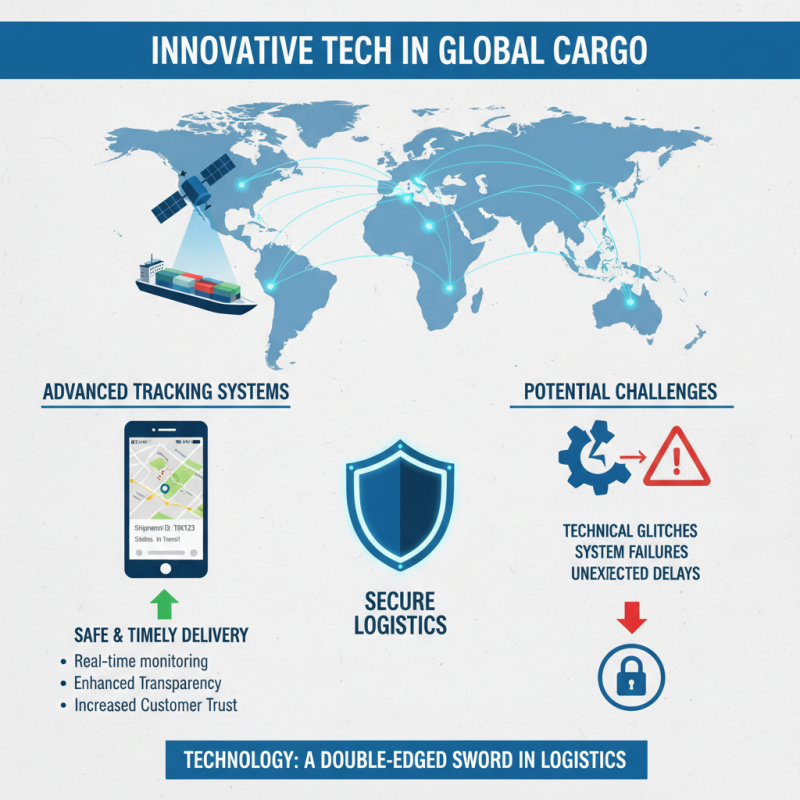
In the realm of international cargo services, innovative technologies play a pivotal role in ensuring safe and timely delivery. Advanced tracking systems allow customers to monitor their shipments in real-time. This transparency helps build trust. However, not all systems are foolproof. Sometimes, technical glitches occur, leading to unexpected delays.
Another significant development is automation in warehousing. Automated sorting and packing speed up operations. Yet, over-reliance on machines can lead to oversights. Human oversight remains essential. The blend of technology and human touch is where true efficiency lies. Drones and robotics are emerging as game-changers but pose their challenges too.
Blockchain technology offers enhanced security for cargo transactions. It minimizes the risk of fraud and ensures authenticity. However, the need for standardized practices still remains. Lack of uniformity can create confusion among stakeholders. As the logistics industry evolves, continuous adaptation to these technologies is crucial for success. Embracing progress while acknowledging potential pitfalls can pave the way for future improvements.