In the competitive world of logistics shipping, businesses strive for efficient delivery systems. A well-executed logistics strategy can significantly reduce costs and improve customer satisfaction. Companies are expected to adapt quickly to changing market demands.
Implementing effective logistics shipping strategies requires careful planning and execution. One critical aspect is to leverage technology for real-time tracking. This technology not only enhances visibility but also helps in managing inventory more effectively. Furthermore, partnering with reliable carriers is essential to ensure timely deliveries. However, many companies overlook the importance of this partnership.
Reflecting on challenges can help improve logistics shipping methods. Issues such as delays, miscommunication, and unexpected costs often arise. Addressing these problems is vital. Businesses need to assess their supply chain continuously. This reflection enables them to refine their strategies and stay competitive in a fast-paced market.

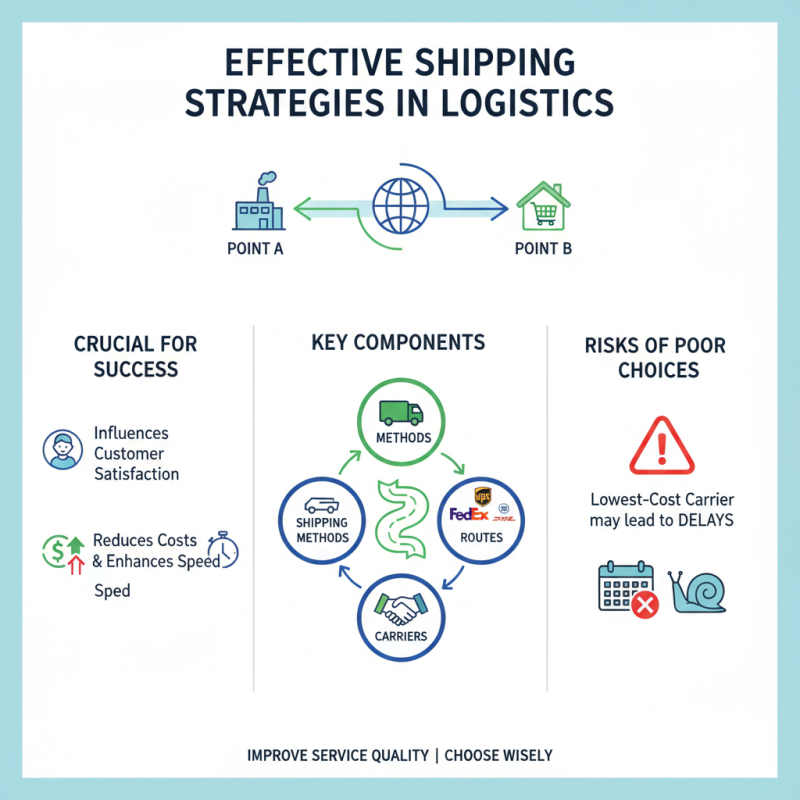
In logistics, effective shipping strategies are crucial for success. They dictate how goods move from point A to point B and influence customer satisfaction. A well-structured strategy can reduce costs, enhance delivery speed, and improve overall service quality. This means choosing the right shipping methods, routes, and carriers. However, not all choices are perfect. For instance, opting for the lowest-cost carrier may lead to delays.
Understanding the logistics landscape is essential. It helps businesses navigate challenges like fluctuating fuel prices or unforeseen weather disruptions. Investing in technology can facilitate tracking and efficiency. Yet, there's a human element too; communication is key. If teams fail to share information, it can lead to mismanagement and errors. The balance between technology and teamwork is delicate but necessary for seamless operations.
Moreover, reflecting on past shipment issues can unveil insights for improvement. Mistakes happen, and they offer valuable learning opportunities. Evaluating what went wrong in a delivery can inform future strategies. Adapting to feedback ensures a business evolves and meets changing customer expectations. It’s an ongoing journey of learning and growth, vital to achieving logistics excellence.
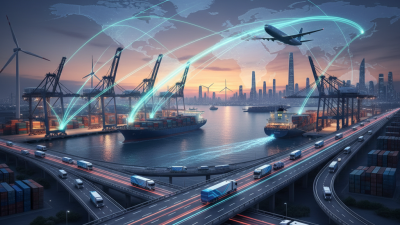
Efficient delivery is a cornerstone of modern logistics. Several key factors influence how well goods reach their destinations. According to a recent report from Logistics Management, companies with optimized delivery systems can increase customer satisfaction by 30%. This illustrates the need for effective strategies.
One critical aspect is route optimization. Properly planning routes can reduce travel time and fuel costs. Data shows that using advanced routing software can decrease delivery times by up to 20%. Yet, many firms still rely on outdated methods for navigation. This can lead to inefficiencies. There is a strong need for improvement here.
Real-time tracking is another significant factor. Customers now expect transparency in their shipments. Research indicates that 70% of consumers value tracking features when choosing a logistics provider. The challenge is that many providers lack the technology to offer this. Investing in real-time tracking systems may seem costly initially, but the long-term benefits can outweigh the risks. Enhancing visibility can attract more clients and reduce delivery errors.
Efficient shipping methods can significantly lower costs in logistics. Reports suggest that transportation accounts for nearly 60% of total logistics costs. Choosing the right shipping strategy can lead to substantial savings. Air, sea, and ground shipping provide various options for businesses. Each method has its own cost margins and delivery timelines.
For instance, sea freight is often the most cost-effective, especially for bulk goods. It can reduce shipping costs by up to 30% compared to air freight. However, delivery times can extend to weeks. On the other hand, air freight is faster but may inflate costs significantly. The balance between speed and cost is a continual challenge for many companies.
Implementing advanced technology can enhance decision-making. Real-time tracking and data analytics allow businesses to optimize shipping routes. A study indicated that companies utilizing such technologies saw a 15% reduction in shipping errors. Yet, many firms still struggle to implement these systems effectively. Adjusting shipping strategies requires ongoing reflection and adaptation to market changes, which can be daunting.
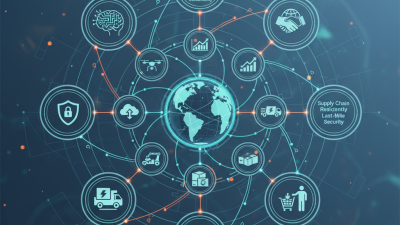
The logistics and shipping industry is undergoing a significant transformation driven by technology. According to a 2023 report, nearly 70% of logistics companies are investing in advanced technologies. These include artificial intelligence, Internet of Things (IoT), and blockchain. These tools enhance transparency and efficiency. For instance, IoT devices enable real-time tracking of shipments, which optimizes inventory management.
However, reliance on technology also brings challenges. Cybersecurity threats are rising. A survey revealed that about 30% of logistics firms faced security breaches in 2022. Companies must be proactive in managing these risks. Moreover, the implementation of new technologies requires substantial training for the workforce. This is often overlooked, leading to inefficiencies.
Innovative strategies like route optimization algorithms are proving effective. By using data analytics, companies can reduce shipping costs by up to 20%. However, many firms struggle to fully integrate these systems. Incomplete adoption means missing out on potential savings. As the industry evolves, organizations must reflect on these gaps and take action to enhance their operations.
| Strategy | Description | Technology Used | Efficiency Impact |
|---|---|---|---|
| Real-Time Tracking | Provides end-to-end visibility of shipments. | GPS, IoT Sensors | Enhanced customer satisfaction and reduced delays. |
| Automated Warehousing | Utilizes robots and software for warehouse management. | Robotics, AI | Increased storage efficiency and reduced labor costs. |
| Data Analytics | Analyzes data to optimize supply chain processes. | Machine Learning, Big Data | Improved decision-making and forecasting. |
| Blockchain Technology | Ensures transparency and security in transactions. | Blockchain | Reduced fraud and enhanced trust among stakeholders. |
| Last-Mile Delivery Innovations | Enhances delivery to the final destination. | Drones, Delivery Bots | Faster deliveries and reduced transportation costs. |
Efficient delivery is crucial in logistics. Optimizing supply chains can significantly improve overall performance. Timely deliveries enhance customer satisfaction. Yet, many companies struggle with complexity and unexpected delays. Streamlining operations is essential.
Tips: Regularly assess your routes. Use technology for real-time tracking. This helps identify bottlenecks. Adjustments can lead to faster deliveries. Also, monitor inventory levels closely. Overstocking creates waste. Understocking risks shortages. Balance is key.
Consider collaboration with suppliers. Open communication fosters transparency. Mistakes happen. Misunderstandings can lead to missed deadlines. Building strong relationships can mitigate these issues. Continuous improvement should be the goal. Learn from past setbacks. Each challenge presents an opportunity for growth.