How to Optimize Ocean Freight Shipping for Global Buyers?
Global buyers increasingly recognize the importance of optimizing ocean freight shipping in today’s interconnected market. In 2022, approximately 90% of the world’s goods were transported by sea, highlighting the significance of this method. Ensuring efficiency in ocean freight can lead to substantial cost savings. According to the International Maritime Organization, shipping delays can lead to losses of billions annually.
To navigate these challenges, buyers need to consider several strategies. The rise in fuel prices and port congestion can impact shipping schedules. Utilizing data-driven insights can improve decision-making. Tools like route optimization and load planning can maximize container utilization. Furthermore, collaborating with experienced freight forwarders adds expertise to the shipping process.
However, not all ocean freight shipping practices are flawless. Some companies still struggle with transparency and tracking. Limited visibility can lead to miscommunication and operational hiccups. Continuous improvement and investment in technology are crucial. Embracing these changes might involve challenges, but the potential benefits make it worthwhile. As the industry evolves, staying informed will be key for global buyers.
Understanding the Basics of Ocean Freight Shipping for Global Buyers
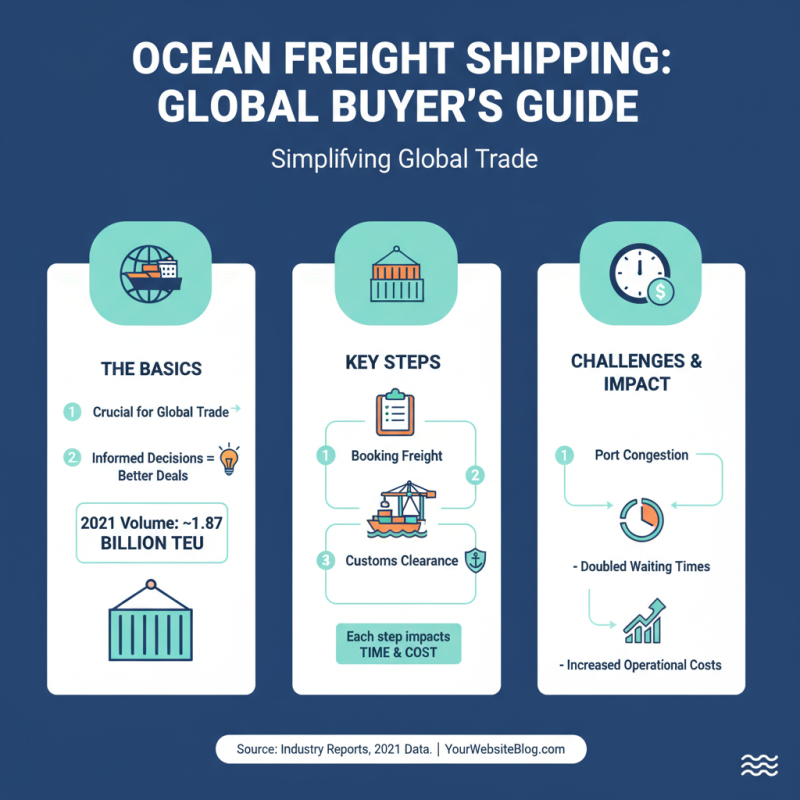
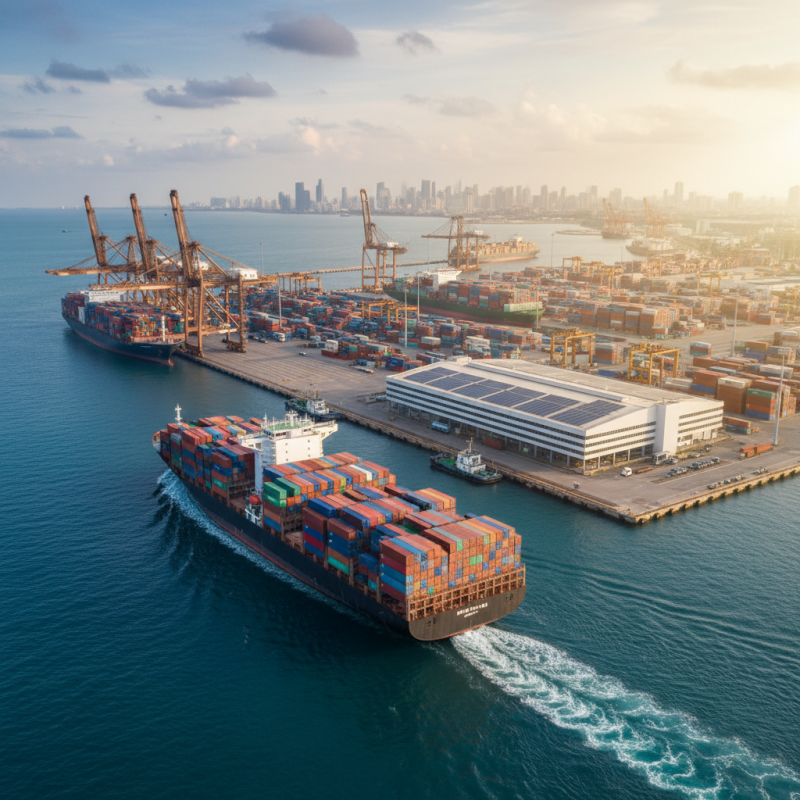
Ocean freight shipping is a crucial component of global trade. Understanding its basics helps buyers make informed decisions. In 2021, global container shipping volume reached approximately 1.87 billion TEU (twenty-foot equivalent units), revealing the immense scale of this industry. The shipping process involves several steps: booking freight, loading goods, and clearing customs. Each step affects delivery time and costs. For instance, port congestion has doubled average waiting times, increasing operational costs.
Buyers should consider key factors when optimizing ocean freight. Transit time can vary significantly. On average, shipping from Asia to the U.S. takes 15 to 30 days. Moreover, freight rates can fluctuate based on demand and fuel prices. The cost per container surged from $1,500 in early 2020 to over $5,000 in late 2021, illustrating market volatility. To mitigate these changes, it's crucial for buyers to establish long-term relationships with reliable freight forwarders. This approach enhances communication, which is often flawed in traditional shipping.
Lastly, sustainability is increasingly important. Many buyers seek to reduce their carbon footprint in transportation. Options like using vessels powered by LNG or carbon offset programs are emerging. However, these solutions can be costly and require careful planning and consideration. The shipping landscape is complex, but understanding its dimensions is essential for global buyers.
Key Factors Influencing Ocean Freight Costs and Efficiency
In ocean freight shipping, several key factors impact costs and efficiency. Understanding these factors is crucial for global buyers looking to optimize their logistics process. According to the
Freightos Baltic Index, shipping rates have fluctuated significantly over the past year. This demonstrates the importance of monitoring
real-time data to negotiate better contracts with shipping lines.
Fuel prices play a significant role in determining freight costs. The
International Energy Agency indicates that fuel costs account for about 30-40% of total shipping expenses. As these prices rise, freight rates often follow.
Buyers should consider alternatives, such as consolidating shipments, to improve cost efficiency. The overall volume shipped can lead to better negotiating leverage with carriers.
Port operations also contribute to efficiency. Congestion in major ports can lead to delays and increased costs. According to the
World Bank, port inefficiencies can increase transport costs by 10-20%. It is crucial to monitor port conditions and optimize shipment schedules accordingly.
Delays can ripple through the supply chain, affecting delivery times and ultimately customer satisfaction.
Strategies for Selecting the Right Shipping Partner
Choosing the right shipping partner is crucial for global buyers. It can significantly impact costs and delivery times. Start by assessing a potential partner’s experience in your specific industry. An experienced partner understands the unique challenges you might face. They will know how to navigate regulations and logistics.
Communication style matters, too. A good partner should respond promptly and clearly. Regular updates about shipments build trust and reduce anxiety. Ask for references from other customers. Their feedback can provide insights into reliability and service quality. Additionally, consider the shipping tools they use. Innovative technology can streamline processes and improve visibility.
Pricing should not be the only factor in your decision-making. Sometimes, lower prices come with hidden costs or lack of service. Evaluate the overall value offered. Reflect on your long-term goals. The right partner should align with your business strategy, enhancing your supply chain’s efficiency. Take your time to choose wisely; mistakes can be costly.
Best Practices for Packing and Labeling to Optimize Shipping
Packing and labeling are essential to optimizing ocean freight shipping. Proper practices can significantly reduce costs and enhance efficiency. The International Maritime Organization reports that mishandling and improper packaging can lead to up to 30% increase in shipment damages. Buyers must prioritize using strong, durable materials to protect goods during transit.
Labeling accuracy is equally important. Incorrect labels can cause delays and increased shipping fees. According to the World Shipping Council, one mislabel can result in additional handling costs of about 15%. Ensuring that labels are clear, legible, and include necessary details streamlines the shipping process.
However, some common missteps occur. Many shippers overlook the importance of including relevant customs information. This lack of detail may provoke inspections and slow down clearance. Moreover, failing to consolidate shipments can lead to wasted space and increased freight charges. By adopting best practices in packing and labeling, shipping efficiency can improve significantly.
Using Technology and Data for Enhanced Shipping Management
Optimizing ocean freight shipping involves using technology and data for better oversight. Real-time tracking systems enhance visibility. They allow buyers to monitor shipments closely. With accurate updates, any delays can be addressed quickly.
Tips for using technology effectively include integrating a cloud-based platform. This helps centralize information for easy access. Utilize data analytics to predict shipping trends. Analyzing past shipments reveals patterns that can inform future logistics decisions. Collaboration tools also facilitate communication between teams.
Investing in automation can streamline processes. Automating documentation reduces errors. However, relying on technology comes with challenges. It’s crucial to regularly evaluate systems for efficiency. Without diligent assessment, inefficiencies may linger unnoticed, impacting the entire supply chain. A balance between tech and human oversight is essential.
Global Ocean Freight Shipping Trends (2023)