Top 10 Tips for Reducing Container Freight Costs?
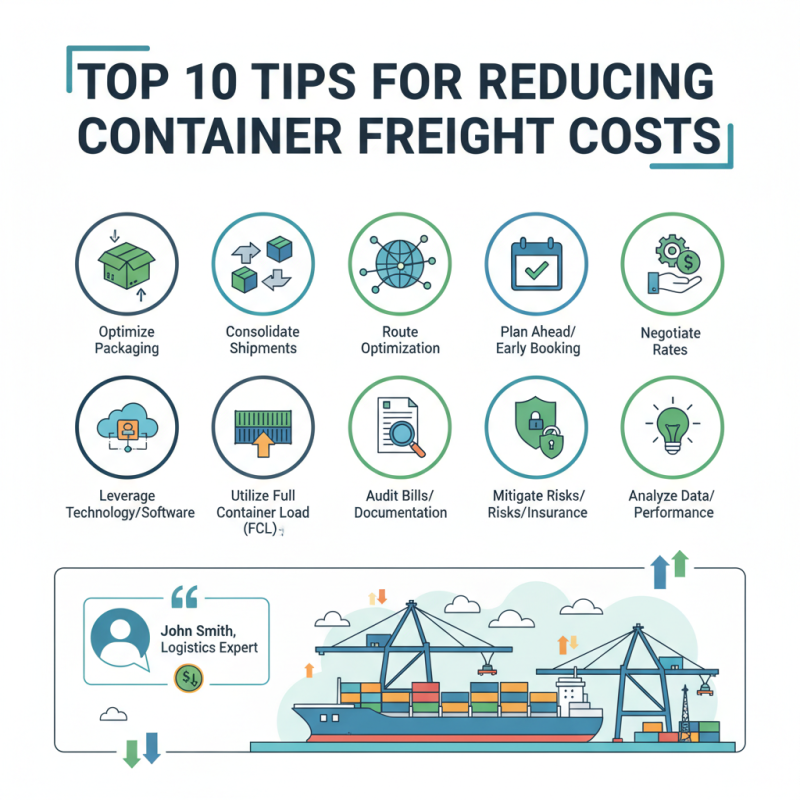
In today's global economy, managing container freight costs is critical for businesses. John Smith, a renowned expert in logistics, once said, "Efficient freight management can save companies thousands." This statement reflects the importance of optimizing shipping processes to reduce expenses.
As shipping prices fluctuate, understanding how to cut costs becomes essential. Many importers and exporters face staggering fees that can erode profits. A lack of awareness about container freight operations can lead to missed opportunities for savings. Research shows that leveraging technology can significantly impact these costs.
Navigating the complexities of container freight requires strategic planning. Small changes, such as improving packaging or consolidating shipments, can yield substantial results. However, companies often overlook these strategies. Embracing a proactive approach can lead to a more efficient supply chain and a healthier bottom line. Reflecting on current practices is vital to identifying areas for improvement.
Understanding Container Freight Costs and Their Components
Understanding container freight costs is crucial for businesses relying on global shipping. These costs typically include several components, which can significantly affect the total expenditure. According to a recent industry report, around 40% of a shipping cost comprises fuel surcharges, which have fluctuated dramatically in recent years. In 2020, these surcharges averaged $200 per container but surged to over $500 in 2021. Such volatility impacts budget planning.
Additionally, port fees and terminal charges often go unnoticed. These fees can vary by location and are sometimes 20% higher during peak seasons. Importers should be aware of these patterns to avoid unexpected expenses. In fact, a study found that companies may underestimate these costs by as much as 30%. This gap highlights the need for thorough research and strategic planning.
Understanding insurance and handling fees is also vital. These can add anywhere from 5% to 15% to overall costs. Although businesses often view these charges as necessary evils, not all providers offer competitive rates. Regular benchmarking against industry standards may reveal surprising discrepancies. Businesses must assess such costs critically, as they often neglect them in financial forecasts.
Analyzing Shipping Routes for Optimal Cost Efficiency
Analyzing shipping routes is essential for optimizing freight costs. Every detail matters. From high-traffic lanes to underutilized paths, choices can impact pricing drastically. Finding the right carrier can mean the difference between a smooth journey and unexpected surcharges. Yet, inaccuracies often arise during planning, leading to inefficiencies.
Evaluating distances is crucial. Shorter routes can save time and fuel. However, direct paths are not always available. Sometimes, detours are necessary. Assessing port charges is another key element. Fees can vary by destination. Overlooking these can inflate costs unexpectedly. Regularly reviewing shipping lanes helps identify the best options.
Cost efficiency requires ongoing reflection. Analyzing past shipments can reveal patterns. Are certain routes consistently more expensive? Is a specific carrier underperforming? Keeping records allows for better decision-making. Flexibility can lead to savings. Explore alternative routes, even if they seem longer. It’s worth examining all possibilities to ensure you’re not overspending in silence.
Leveraging Volume Discounts and Freight Consolidation
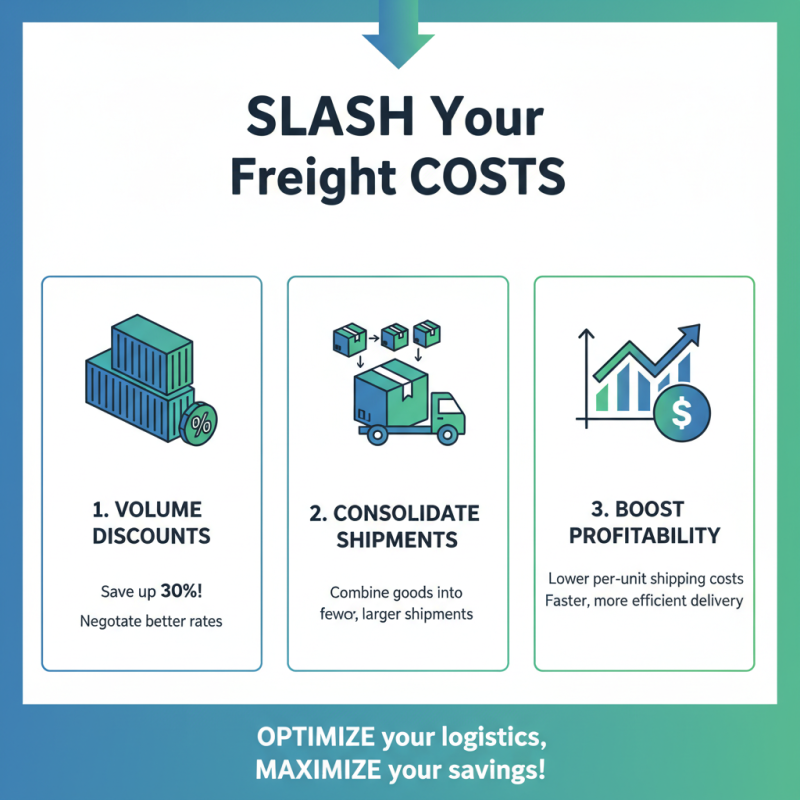
Reducing container freight costs is crucial for businesses aiming to maximize their profitability. One effective strategy is to leverage volume discounts. According to industry reports, companies that optimize their shipping volumes can save up to 30% on freight charges. By consolidating shipments, businesses can negotiate better rates with carriers. This approach not only reduces individual shipment costs but also enhances delivery efficiency.
Freight consolidation enables businesses to group multiple shipments together. This method can lower transportation costs, as it minimizes unused space in containers. Reports indicate that companies using consolidation see an average savings of 15% to 25% in freight expenses. However, properly planning consolidation can be challenging. It requires careful timing and coordination. Businesses often misjudge shipment sizes, resulting in poor consolidation outcomes.
Consider this: not every shipment is suitable for consolidation. There might be instances where speed takes precedence over cost savings. Companies must assess their priorities and adapt accordingly. In some cases, the delay caused by waiting for more items can negate any potential savings. Evaluating the trade-offs is essential for optimizing freight costs effectively.
Exploring Technological Solutions for Cost Reduction
In today's logistics landscape, reducing container freight costs is essential. Technology plays a critical role in this effort. According to a recent report by Logistics Management, companies adopting digital solutions can save up to 15% on freight costs. Many firms are turning to data analytics. By analyzing shipping trends, companies can optimize routes and improve load management. This approach minimizes empty miles and maximizes cargo capacity.
Real-time tracking systems also show promise. They provide visibility into container locations. This transparency can lead to fewer delays and lower costs. However, technology isn't a magic pill. Many companies still struggle with implementation. Integrating new systems can be complex and expensive. According to the Aberdeen Group, only 30% of organizations fully utilize their existing logistics technologies. This indicates a significant gap that companies must address for meaningful savings. Embracing change is necessary but often met with resistance.
Moreover, artificial intelligence (AI) is making strides. AI-driven tools analyze historical data to forecast shipping needs more accurately. This capability can reduce excess inventory and associated costs. While promising, many businesses still have doubts about AI reliability. Trust in these tools takes time. Companies should educate their teams to embrace these technologies. The potential for cost reduction is immense, yet the journey requires careful planning and commitment.
Negotiating Contracts and Building Relationships with Carriers
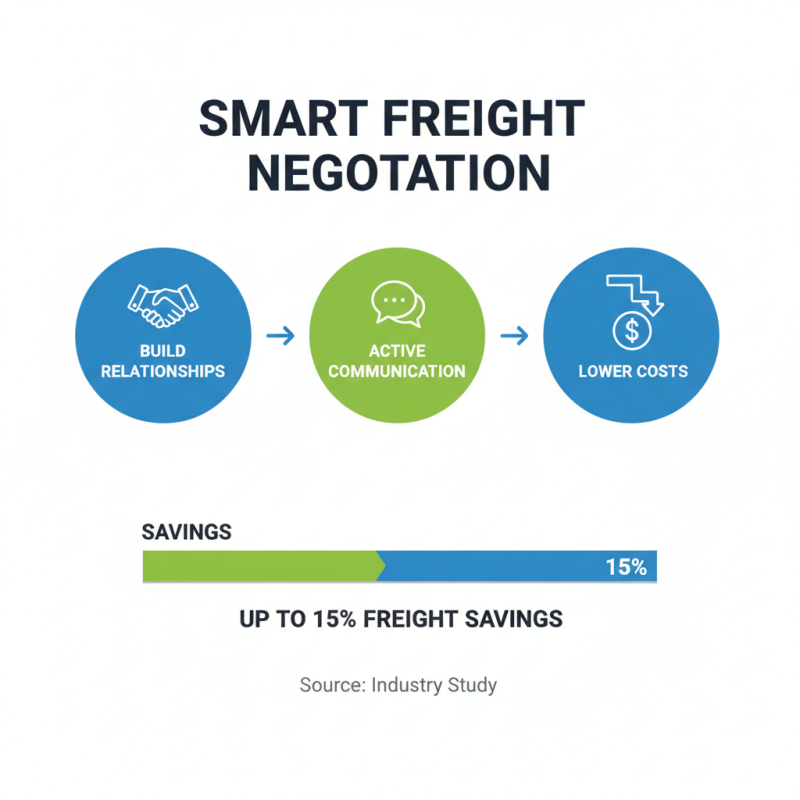
Negotiating contracts effectively is key to reducing container freight costs. Building strong relationships with carriers provides leverage. A study indicated that shippers who engage in active communication can save up to 15% on freight spending. Personal connections often result in better rates.
It’s essential to understand that many carriers prefer long-term partnerships. This stability can lead to favorable terms and more reliability. Regular check-ins can help adapt to market fluctuations, benefiting both parties. However, some shippers remain hesitant. They may focus solely on immediate costs, missing out on long-term savings.
Transparency is crucial. Share shipping forecasts and any expected changes. Carriers appreciate being kept in the loop. It fosters trust and can lead to better service. Some shippers underestimate the value of maintaining these relationships, risking higher future costs. Regular feedback, even about service issues, will strengthen ties. It's a cycle; engage more, and see better results over time.