Top 10 Global Logistics Solutions You Need to Know?
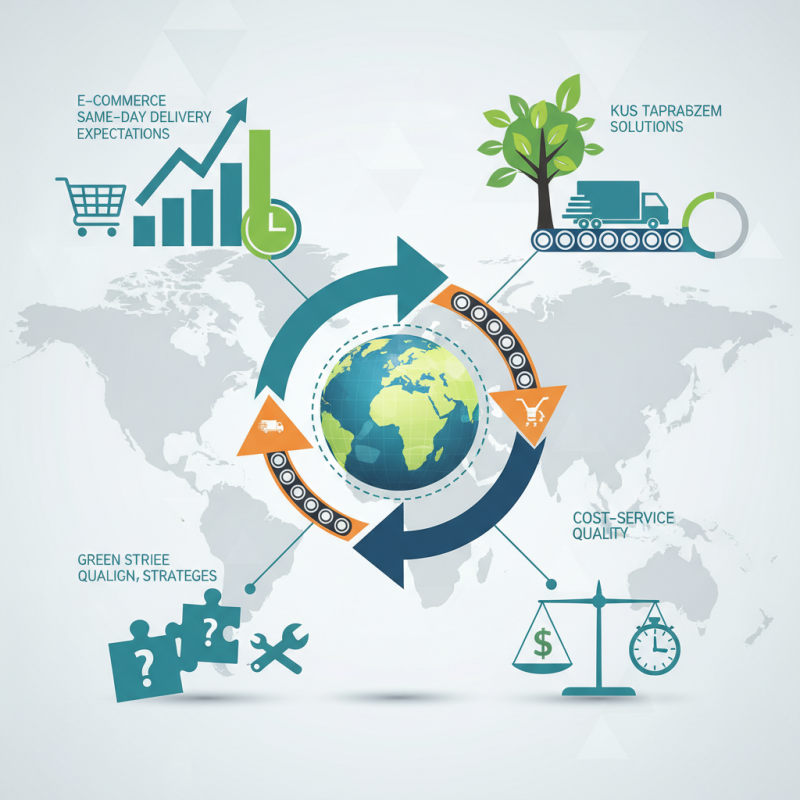
In today's interconnected world, global logistics solutions are vital for businesses. The logistics industry generates over $4 trillion in revenue annually. With e-commerce on the rise, demand for efficient logistics skyrockets. Reports indicate that 79% of consumers expect same-day delivery. Meeting these expectations is challenging for many companies.
Logistics solutions must adapt to the changing landscape. Sustainability is becoming essential. Companies are pressured to reduce carbon footprints. Yet, only 20% of logistics firms prioritize green strategies. This gap highlights the need for better collaboration and innovation in logistics management.
While various solutions exist, not all are equally effective. Each company has unique needs. Customizing logistics strategies is crucial. A one-size-fits-all approach often leads to inefficiencies. Finding the right balance between cost and service quality is an ongoing challenge. The future of global logistics requires a proactive mindset and a willingness to learn from failures.
Understanding Global Logistics: An Overview of Key Concepts
Global logistics is an intricate web of systems and processes. It involves the movement of goods across international borders. Understanding key concepts is vital for success. Supply chain management plays a crucial role. It integrates various activities from production to delivery. Every step matters in this chain. Delays at one point can ripple throughout the entire process.
Transportation methods vary widely. Options include air, sea, and road freight. Each has its pros and cons.
Air transport is fast but often expensive. Sea freight is more economical but takes longer. Choosing the right method depends on factors like urgency and cost.
Warehousing is another critical element. Efficient storage solutions can improve delivery times. However, managing inventory is not straightforward. Decisions made can lead to excess or shortage, creating challenges.
Regulatory compliance poses additional challenges. Various countries have different laws. Navigating these can be complex. It requires constant attention to detail.
Communication between stakeholders is essential. Misunderstandings can cause severe delays. Adapting to changing market demands is also necessary. Evolving customer preferences can shift logistics strategies. Overall,
the logistics landscape is dynamic and requires careful reflection.
The Role of Technology in Modern Logistics Solutions
Technology has become a critical component in modern logistics solutions. Automation helps streamline processes.
Robots in warehouses can move goods quickly. This reduces the need for manual labor. However, the initial investment can be high. Many small businesses struggle to afford such technology.
Tracking systems are essential too. GPS and IoT devices provide real-time data. These tools enhance visibility in supply chains. Yet, managing this data can overwhelm companies. Keeping information secure is another concern. Cybersecurity threats are on the rise, making data protection crucial.
Another area to consider is artificial intelligence. It can optimize routes and predict demand. However, reliance on AI raises questions about human jobs. While efficiency increases, workforce displacement can occur. Balancing technology with human touch is tricky. As logistics evolve, reflecting on these challenges is vital.
Top Trends in Global Logistics and Supply Chain Management
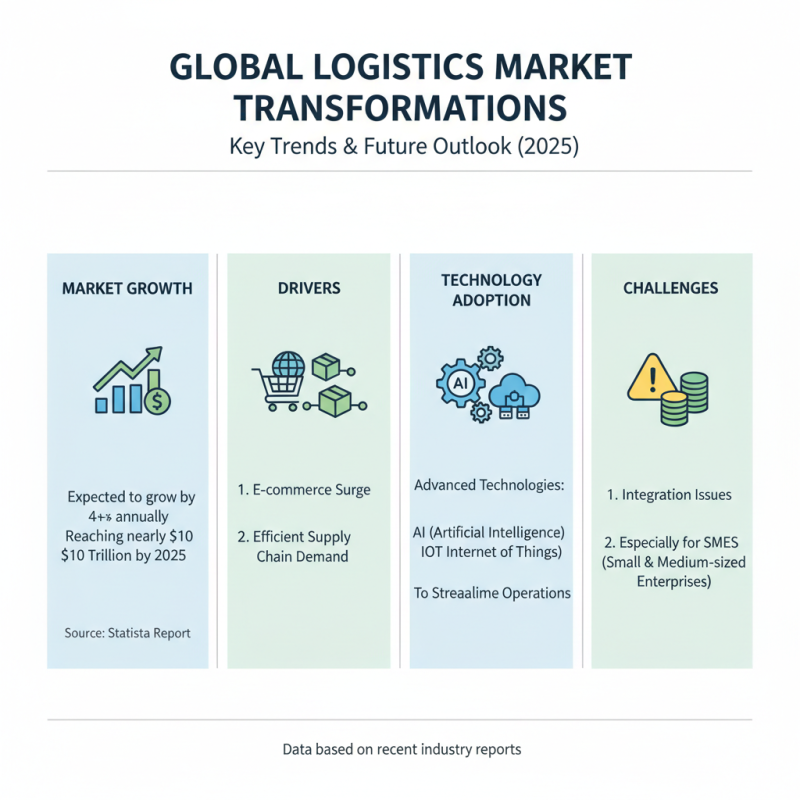
In recent years, the global logistics landscape has seen rapid transformations. According to a report from Statista, the logistics market is expected to grow over 4% annually, reaching nearly $10 trillion by 2025. This growth is driven by the surge in e-commerce and the increasing demand for efficient supply chain management. Companies are adopting advanced technologies like AI and IoT to streamline operations. However, adopting these technologies comes with challenges. Integration issues and high initial costs can impede small to medium enterprises.
Sustainability has become a crucial focus. The Global Logistics Report indicates that over 70% of companies are prioritizing eco-friendly logistics solutions. This trend highlights a shift in consumer preferences towards sustainable practices. Businesses are exploring alternatives like electric vehicles and green packaging. Yet, many struggle with the balance between cost and sustainability. There is a need for more proactive measures to reduce carbon footprints while maintaining efficiency.
The rise of omnichannel logistics presents another trend. Consumers now expect seamless experiences across all platforms. Industry data shows that 80% of companies plan to enhance their omnichannel capabilities. However, managing inventory across multiple channels can complicate operations. Many organizations lack the strategies to effectively utilize real-time data for inventory management. This disconnect poses a risk of inventory misalignment and possible customer dissatisfaction.
Evaluating the Benefits of Outsourcing Logistics Services
Outsourcing logistics services can bring significant advantages to businesses. According to recent studies, 79% of companies that outsource report improved service. By working with third-party logistics (3PL) providers, businesses can reduce overhead costs and focus on core operations. This enables faster decision-making and better resource allocation.
Tips: Always assess your 3PL partner’s capabilities. Evaluate their technology, network, and experience. Not every provider fits every company’s needs. Conduct thorough due diligence.
Furthermore, outsourcing logistics can lead to enhanced flexibility. A survey showed that 85% of companies experienced increased scalability. Businesses can adjust quickly to market changes. However, reliance on external partners can pose risks, such as a lack of control over shipping processes. It's essential to establish clear communication channels for effective collaboration.
Tips: Regularly review contract terms. Ensure you understand the metrics used to measure performance. This can prevent misunderstandings and unexpected costs.
In summary, outsourcing logistics offers clear benefits but requires careful planning. Companies must weigh the pros and cons. Maintaining a balance between control and partnership is crucial.
Future Innovations Shaping Global Logistics Solutions
The future of global logistics is rapidly evolving. New technologies are changing how goods are transported. Automation and artificial intelligence streamline operations. These innovations enhance efficiency and reduce costs. Companies must adapt to stay competitive.
However, challenges remain in implementing these solutions. Many logistics providers struggle with outdated systems. Training staff to use new technologies takes time and resources. Integration of various software systems can be complex. It's not just about technology; it’s about people.
Sustainability is also a key focus. Green logistics is gaining attention. Companies are exploring eco-friendly practices. However, achieving a balance between efficiency and environmental responsibility is still a challenge. The journey toward a smarter logistics future is ongoing, and businesses must reflect on their strategies.
Top 10 Global Logistics Solutions You Need to Know