Top 10 Tips for Choosing the Best Ocean Freight Forwarder
Choosing the right ocean freight forwarder can greatly impact your shipping costs and delivery efficiency. In 2022, global container shipping costs surged by over 300%, creating challenges for businesses worldwide. Effective freight forwarding is essential in navigating these complexities. Research indicates that the right ocean freight forwarder can reduce logistics costs by up to 20%.
Yet, not all forwarders offer the same level of service. It’s vital to assess their expertise in handling different cargo types. Over a third of businesses report unfulfilled promises related to delivery times. These issues can lead to inventory shortages and dissatisfied customers. This is where careful selection plays a critical role.
In today’s competitive market, the choice of an ocean freight forwarder can determine success or failure. Some companies overlook important aspects, focusing solely on price. Quality of service often holds more weight. In this guide, we’ll explore ten key tips to help you select the best partner in your shipping journey.
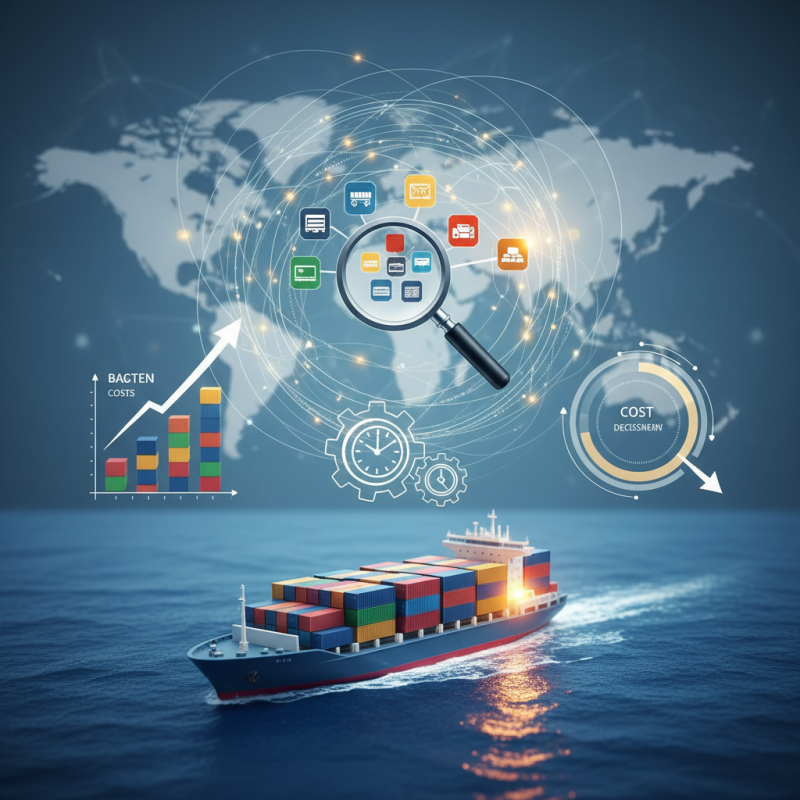
Understanding the Role of an Ocean Freight Forwarder in Shipping
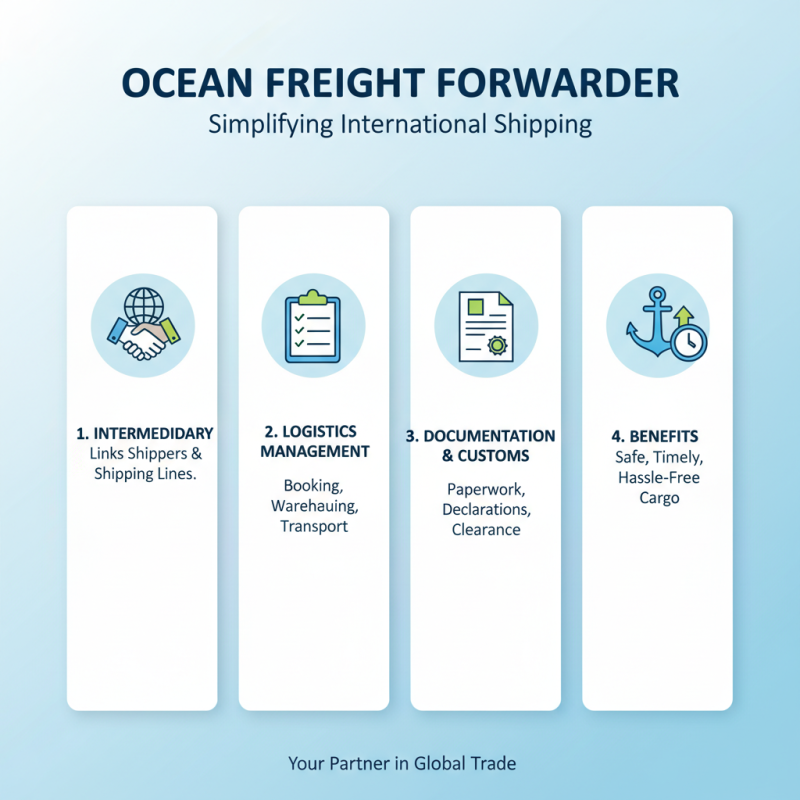
An ocean freight forwarder plays a crucial role in the shipping process. They act as intermediaries between shippers and shipping lines. Their responsibilities include managing logistics, documentation, and customs clearance. This reduces the hassle for businesses looking to transport goods internationally. A good forwarder ensures cargo arrives safely and on time.
Choosing the right forwarder is essential. Many forwarders promise efficiency, but their actual performance may differ. Researching their experience and reputation can be beneficial. Ask for referrals, and check online reviews. Communication is key. A forwarder should be responsive and transparent about processes.
When selecting a forwarder, consider their network. A strong global presence can help navigate complex logistics. However, not all forwarders have equal connections. Some might struggle with specific routes or regions. This can lead to delays or increased costs. Therefore, it is wise to ask pointed questions about their capabilities and past experiences.
Key Factors to Consider When Selecting an Ocean Freight Forwarder
When selecting an ocean freight forwarder, several key factors come into play. Experience is crucial; a forwarder with years in the industry understands the complexities of shipping. They know the best routes and can navigate various regulations. Communication is also essential. A responsive forwarder can provide updates and answer questions promptly. This builds trust, a critical component in logistics.
Another important aspect is pricing transparency. A forwarder should clearly outline all costs involved. Hidden fees can disrupt budgets and cause frustration. Look for flexibility in services offered. Different shipments may require different handling, so a versatile forwarder can adapt to your needs.
Customer reviews and references can provide insight, but they may not present the complete picture. Some feedback may be outdated or subjective. A good practice is to request recent performance metrics, which can reveal a forwarder’s reliability. Ultimately, selecting a forwarder involves careful consideration. Reflecting on past experiences can help in making better choices. Each selection process is an opportunity to learn and improve.
Top 10 Tips for Choosing the Best Ocean Freight Forwarder
This chart displays the importance of key factors to consider when selecting an ocean freight forwarder. The ratings range from 1 to 10, where 10 indicates the highest level of importance.
Evaluating the Experience and Reputation of Freight Forwarders
When selecting an ocean freight forwarder, evaluating their experience and reputation is crucial. A freight forwarder with a solid track record often indicates reliability. According to industry studies, 75% of shippers consider a forwarder's experience as the most important factor. Experience can drive efficiency and minimize delays.
Reputation extends beyond just years in service. Customer reviews and testimonials offer insight into a forwarder's performance. Industry reports suggest that 65% of successful shipments correlate with high-rated forwarders. A poor reputation can lead to increased costs and shipping errors. Many companies have faced significant losses due to mismanagement in freight.
Look for awards or certifications that validate a forwarder’s expertise. These credentials are often indicative of industry standards met and valued by peers. However, some freight forwarders may obscure their true capabilities with polished marketing. It’s essential to dig deeper. Ask for case studies or references to gauge their real impact on businesses. Keeping these elements in mind will lead to more informed decisions.
Analyzing Cost Structures and Pricing Models of Forwarding Services
When choosing an ocean freight forwarder, cost structures and pricing models are essential aspects to consider. Different forwarders offer various pricing arrangements. Some use flat rates while others depend on the weight or volume of your cargo. This can lead to unexpected costs that may eat into your budget. Always ask for a breakdown of these costs before proceeding. Look closely at surcharges too. Fuel surcharges, handling fees, and destination charges can quickly inflate the initial quote.
Transparency is key in the pricing process. Some forwarders may not disclose all fees upfront. Be wary of those who provide vague estimates. It is crucial to understand what you are paying for. Request a detailed pricing model that outlines potential costs. Consider the flexibility of their pricing options as well. Some carriers might adjust fees based on market conditions. This could be a financial gamble if you are not prepared. Pay attention to these factors to avoid future headaches.
Assessing Customer Service and Communication Skills of Forwarders
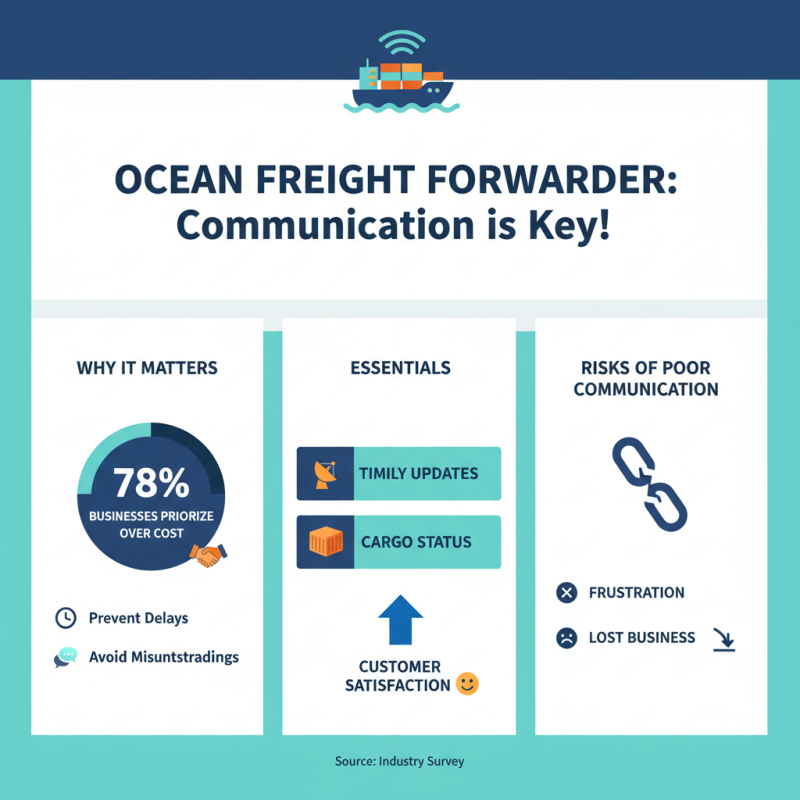
When selecting an ocean freight forwarder, assessing their customer service and communication skills is critical. A recent industry survey revealed that 78% of businesses prioritize these aspects over cost when choosing a forwarder. Effective communication can prevent misunderstandings and delays. Timely updates about cargo status are essential. A lack of communication can lead to frustration and lost business.
Assessing how a forwarder handles inquiries is vital. Are they prompt in their responses? Do they provide clear answers? You want a partner who values transparency. According to logistics reports, 62% of clients cite poor communication as a reason for changing forwarders. Frequent check-ins from a forwarder can build trust. Look for forwarders who use user-friendly platforms for tracking shipments, enhancing the overall experience.
Moreover, customer service should be proactive, not reactive. Forwarders should anticipate issues and provide solutions. Many clients appreciate forwarders who can offer advice based on their shipping history. A forwarder's knowledge can be a game-changer in navigating customs regulations, which 55% of importers find challenging. Without strong communication and service skills, even a well-rated forwarder may fall short of expectations.